
The Ultimate Kids & Beginners Guide to Your First Catch
Fishing isn’t just about luck—it’s about cracking a secret nature puzzle. Fish react to the world around them based on temperature, light, and depth. Once you understand these basic rules, you will know exactly where to cast your line to hook your very first fish.
Before You Cast: Rules and Safety First
Before packing the car, always check your local regulations. In most places, adults and teenagers need a physical or digital fishing license to legally fish. Kids usually fish for free, but rules vary by province or state. Always look up the legal catch limits and open seasons for your specific lake or river.
- Barbs and Pliers: Keep a pair of long-nosed pliers handy to remove hooks safely from fish—or from accidental snags on clothing.
- Life Jackets: Kids and non-swimmers should always wear a properly fitted life jacket (PFD) when on a boat, a high dock, or slippery riverbanks.
- The Pinch Zone: When casting, always look behind you to make sure no one is in range of your hook.
1. The Big Three: Temperature, Time, and Underwater Structure
Fish are cold-blooded, meaning their bodies are the exact same temperature as the water they swim in. If the water is too hot or too cold, they get sluggish and stop eating.
The Water Temperature Guide (No Thermometer Needed)
Instead of measuring exact degrees, use how the water feels to your skin to find the fish:
The Chilly Zone (Water that makes you numb or ache): Winter, early spring, and late fall. Underwater life moves slowly here. Keep your lure moving at a relaxed, slow pace.
The Active Zone (Water that feels crisp but refreshing): The absolute sweet spot. Hungry fish are hunting hard. Reel your lures at a steady, active pace.
The Heat Zone (Water that feels warm like a bath): Peak summer. Warm water holds less oxygen. Fish escape the blazing sun by sinking deep into the lake or hiding under shady plants.
Seasonal Fishing Guide
Spring & Fall: Fish roam shallow waters near the banks, making them very easy for kids to catch right from a dock.
Summer: Fish dive deep to find cool, oxygen-rich water.
Winter Ice Fishing Tip: Don’t just fish the bottom. Species often cruise just a few feet beneath the ice. Crank your lure up a few feet at a time to find them.
Time of Day & The Sun Glare
Fish don’t wear sunglasses! When the midday sun is blazing down, the bright glare hurts their eyes and reveals their hiding spots to predators.
Where the Fish Live: Underwater Structure
Fish rarely swim out in the middle of nowhere; they need a place to hide, shade from the sun, and a spot to ambush prey. This is called structure. Always cast your line near:
Rocks and Gravel Bars: Small fish hide here, making it a prime hunting ground.
Weeds and Lily Pads: The ultimate jungle canopy for predatory fish.
Fallen Trees and Logs: Branches provide perfect shade and cover.
Piers, Docks, and Bridges: Man-made shade magnets where fish congregate underneath.
PRO TIP
Dawn, Dusk, or Clouds! Low light cuts down surface glare, giving fish the confidence to hunt near the surface. For kids, a cloudy, overcast day is just as good as evening because the clouds block out that harsh sun.
2. Who is Who? Beginner Fish Families
For your first trip, focus on target species that are abundant, aggressive, and highly active.
Beginner Target Species
The Bass Family
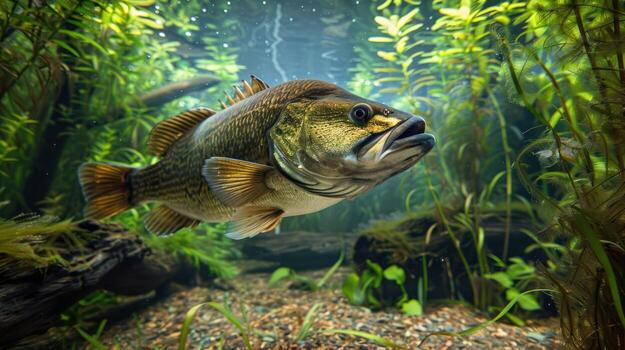
Largemouth: Enormous mouth, loves weeds and lily pads in warm, shallow water.
Smallmouth: Brown scales, prefers cooler, deeper water around sunken rocks.
Aggressive, hard-fighting warm-water fish.
Trout
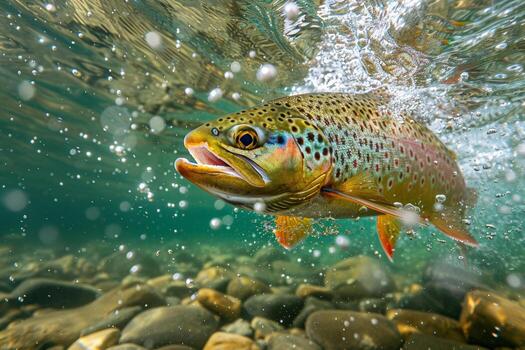
Rainbow Trout: Sleek, colorful, and highly sensitive to heat.
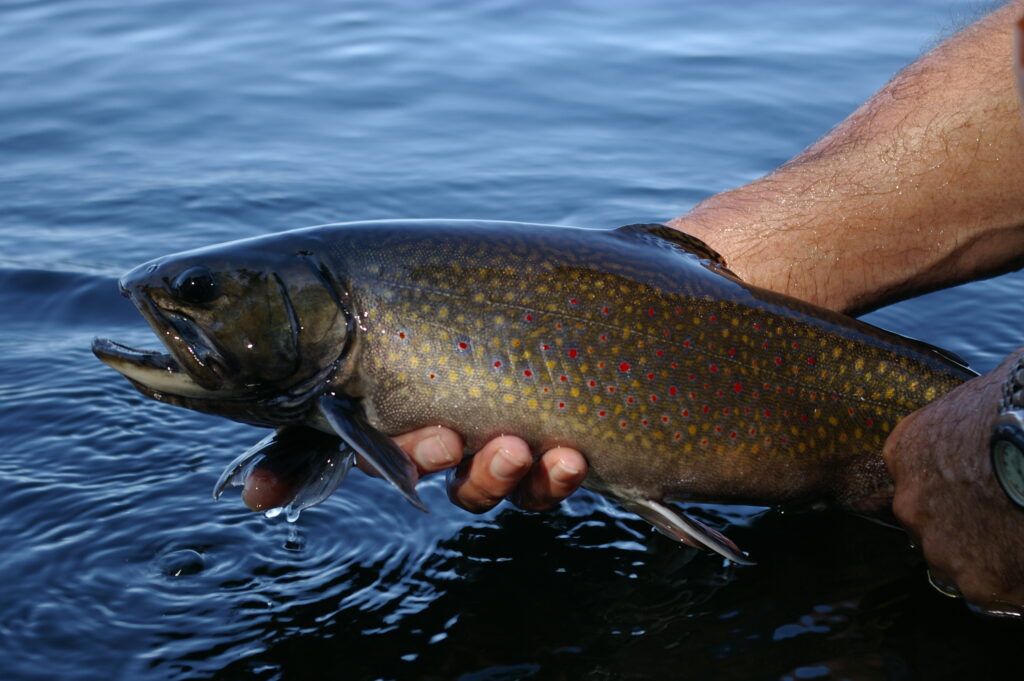
Brook Trout: Vibrant, shadow-loving, and requires ultra-cold, pristine water.
Love cold, clear, fast-moving rivers or deep northern lakes.
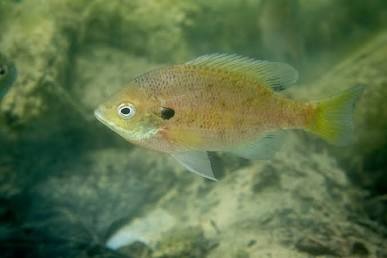
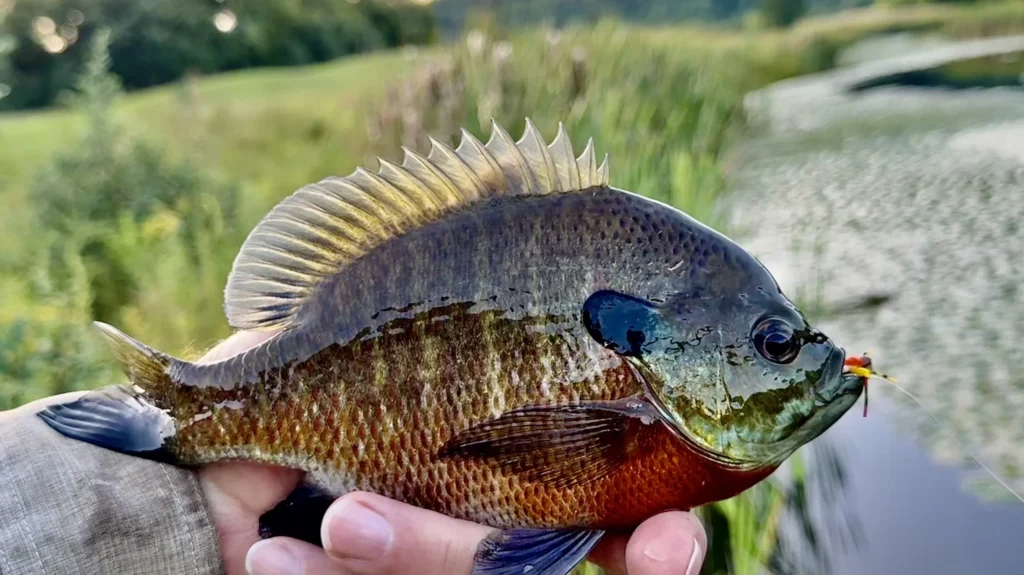
Bluegill and Pumpkinseed
Bluegill & Pumpkinseed: Round, flat bodies with tiny mouths; love hanging out under docks and lily pads.
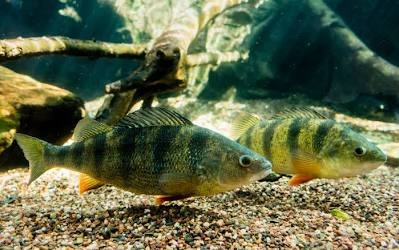
Perch
Yellow Perch: Bright yellow scales with dark vertical zebra stripes; prefer sandy or gravel bottoms.
Crappie
Crappie: Silvery-flecked scales, larger mouths, and tend to school tightly around sunken branches.
Abundant, fast-biting fish that travel in large schools.
PRO TIP
The Shallow-School Rule
Crappie and perch are the absolute kings of the shallows. Because they live in large groups and constantly compete with each other for food, they bite quickly and aggressively. They love warm, shallow water and will sit directly under swimming platforms, docks, and weed edges, making them incredibly easy for kids to find without a boat.
The Micro-Bait Rule
Because these fish have much smaller mouths than bass, they ignore large lures. To catch them, you have to downsize your gear to match the tiny minnows and bugs they eat.
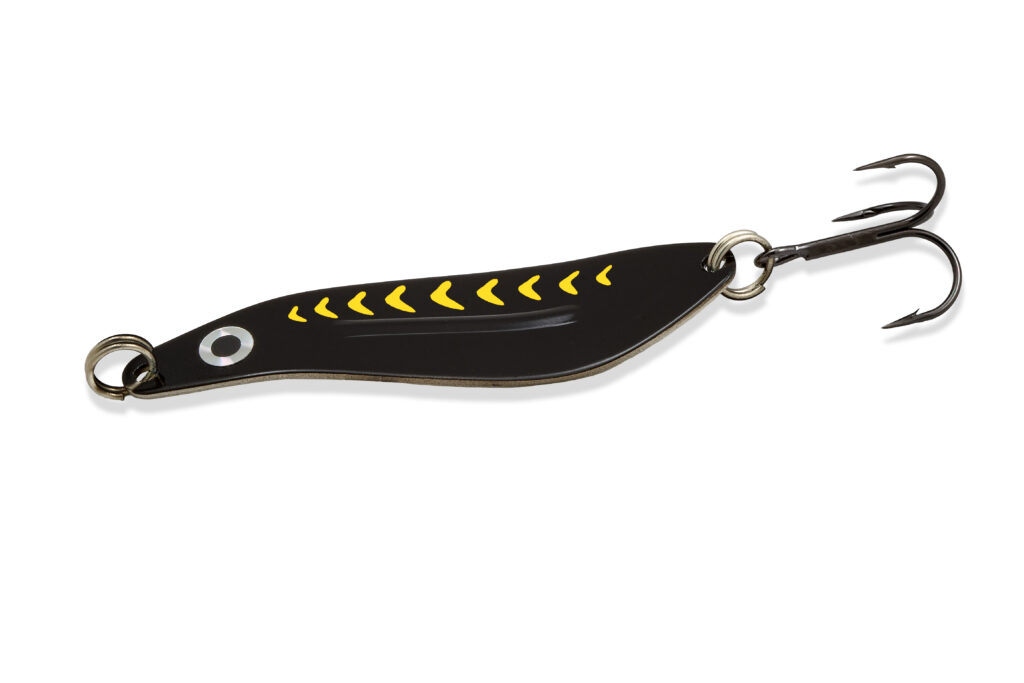
A miniature casting spoon—like the Mooselook Wobbler (Midget Size)—is ideal here. At just 1/12 oz, its tiny size fits perfectly into a perch or bluegill’s mouth, and its rapid, frantic flutter looks exactly like a swimming baitfish. All a child needs to do is cast it near a dock or weed line and reel it in at a steady, slow-to-medium pace to trigger a bite.
3. The Perfect First Tackle Box
You don’t need a truckload of gear to catch fish. Keeping your setup simple and lightweight makes it way easier for kids to handle without tangles.
PRO TIP
Live Bait & Basic Jigging
Fish love live bait because it looks, smells, and moves naturally. In fact, simply dangling a plain hook with an earthworm—or even a piece of fuzzy red yarn—straight down under a bridge or pier is the ultimate introduction to fishing. Just jig it up and down gently. It is a highly interactive, visual way for kids to catch their very first crappie or perch within minutes.
Essential Gear Checklist
The Basics: Lightweight kid-sized spinning rod, high-quality line (preferably Maxima brand to prevent easy snaps), bobbers, and small split-shot sinker weights.
The Tools: Soft-mesh net (gentle on fish skin) and pliers to safely remove hooks.
The Bait: Earthworms, soft plastic grubs, or simple artificial lures.
The Best Beginner Lures: Spinners and Spoons
If you want to move away from live bait, inline spinners and casting spoons are the perfect tools because the fish do all the work—no complicated rod movements required.
The Williams VorteX Inline Spinner (The Easiest Pick): Instead of using generic models, the VorteX is the ideal choice for beginners. Proudly made in Quebec, it features the famous, historic Skinner fluted blade design. This unique shape ensures that the blade starts spinning instantly and effortlessly the very second a child begins to turn the reel handle.
Williams Wabler (W10 or W20): The ultimate classic casting spoon, scaled down perfectly for smaller rods. Its distinct center ridge prevents tangled line twists, and it is plated in genuine gold or silver for maximum underwater flash.
Mooselook Wobbler (Midget Size): Weighing just 1/12 oz, this ultra-lightweight spoon creates a fast, frantic flutter that perfectly mimics tiny minnows to attract pond trout and panfish.
Lake Clear Wabbler: A wide, diamond-shaped attractor spoon. Tie an 18-inch piece of line behind it with a simple hook and a worm. The big spoon acts as a glowing beacon, drawing fish from far away straight to your bait.
4. How to Rig Your Line: The Clinch Knot
To connect your line to your gear, you only need to learn one fundamental knot: The Improved Clinch Knot. It is strong, reliable, and easy for beginners to practice at home.
How to Tie the Improved Clinch Knot
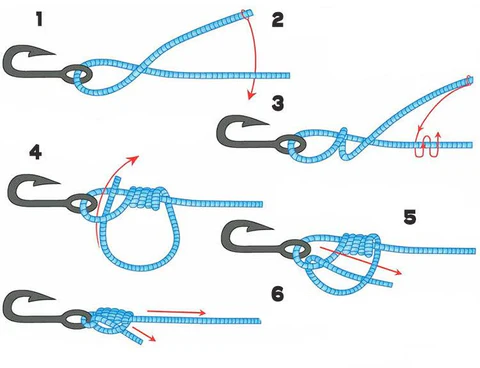
Thread the Line: Pass the loose tail end of your fishing line through the eye of your snap-swivel or lure. Pull about six inches of line through so you have plenty of room to work.
Wrap the Line: Take the loose tail end and wrap it around your main fishing line 5 to 6 times. This creates a series of coils.
Tuck the Tail: Take the very tip of the tail end and push it through the small open loop that formed right next to the eye of the swivel.
Pass Back Through: After pushing it through that first small loop, a new, larger loop will form. Take the tail end and pass it back through this new large loop.
Lubricate and Tighten: Moisten the line with a little bit of lake water or saliva (this stops the friction from damaging the line). Pull both the tail end and the main line firmly until the coils slide down and stack tightly against the eye. Trim off the leftover tail piece with clippers.
The Quick-Change Secret: Snaps and Swivels
PRO TIP
The Golden Rule of Reeling
If you reel too fast, your spoon or spinner will skim across the surface where the fish can’t reach it. If you reel too slowly, it will sink and snag on bottom rocks.
Instead of tying your line directly to a new lure every time you want to switch colors, tie an interlocking snap-swivel to the end of your line using your clinch knot.
A snap-swivel allows you to simply unclip one lure and clip on another in three seconds flat. Even better, the built-in swivel rotates freely, stopping your fishing line from twisting up into knots while you reel.
The Trick: Reel at a steady, medium pace. Hold the rod still and feel for the rhythmic thump-thump-thump vibrating through the handle. That vibration means your blade or spoon is working its magic perfectly.
Conserving the Resource: Catch and Release
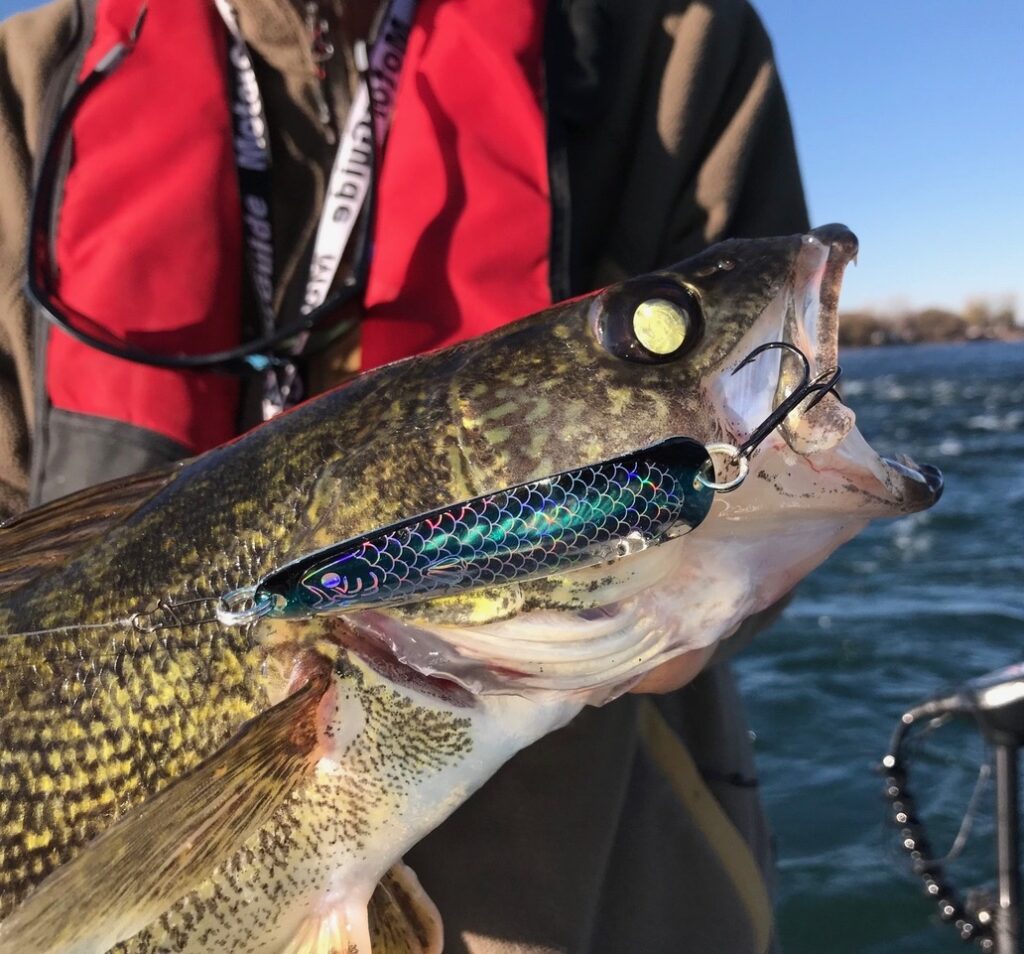
Because live bait is often swallowed deeply by fish, it can make releasing them safely a bit tougher. If you plan on letting your catch go to live another day, try switching to artificial lures like spoons or spinners, which usually hook the fish cleanly in the lip.
When practicing catch and release, keep the fish in the water as much as possible, handle them gently with wet hands (never a dry towel, which strips away their protective slime coating), and use your pliers to quickly back the hook out. Keeping our waters healthy ensures there will always be plenty of fish left for the next generation of anglers.